




Somewhere in your bag there is a receipt you meant to file. In your inbox, a reminder about a dental check-up you have moved to next week three times. On the kitchen counter, a bill that is technically not late yet.
None of this is a crisis. It is just the low hum of unfinished admin, and it gets louder the longer you leave it alone. The fix is not a heroic weekend of sorting. It is a modest, repeatable hour once a month, on the same day, with the same list. Here is a routine that covers the three things that pile up fastest: money, paper and appointments.
Pick a Day, Pick a Chair
Choose a fixed date and treat it as an appointment with yourself. The first Saturday morning of the month, the last Thursday evening, the Tuesday you work from home — it matters less which one you pick than that you pick one and stop renegotiating it.
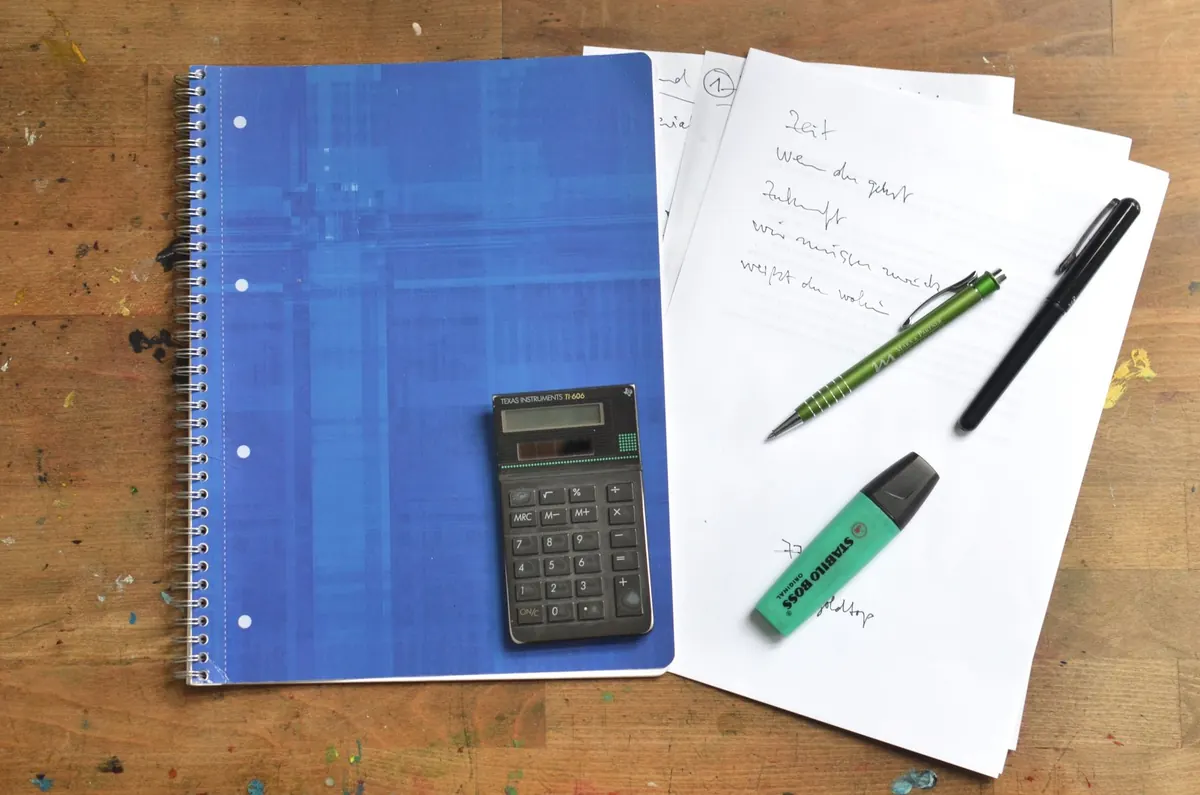
Set the scene before you sit down. A notebook or a single notes file called something plain like “Life Admin”. A folder or tray for this month's paper. A shredding pile. Your phone, charged, because you will need the calendar and the banking app. Set a timer for sixty minutes so the session has a shape and an end.
Three rules keep it moving. Do anything that takes under two minutes immediately rather than adding it to a list. Do not aim for perfect archives; aim for nothing outstanding. And anything that needs real thought goes onto next month's list with a date next to it, so it stops circling in your head.
Bills and Payments: The Twenty-Minute Money Pass
Start with money, because it carries the most weight and takes the least time once you are looking at it directly. Open your banking app and last month's card statement side by side, then work through this:
- Recurring charges. Subscriptions, streaming, cloud storage, the gym, the app you downloaded for one project. Ask of each one: did I actually use this since the last reset? If you hesitate, cancel it now. You can always resubscribe.
- Due dates for the next four weeks. Rent or mortgage, utilities, card payments, loans, school fees, insurance. Note the dates, not just the amounts.
- Autopay health. Confirm every automatic payment is attached to a card or account that has not expired. Expired-card failures are the most common cause of avoidable late fees.
- Anything odd. A double charge, a small unfamiliar amount, a refund that never arrived. Query it this week, while the details are still fresh.
- One transfer to savings. The same small amount, on the same day each month. Automate it if you can.
A practical habit: keep a week of breathing room between the day money comes in and the day most bills go out. It turns a tight month into a manageable one.
If your finances are genuinely complicated — debt, variable income, tax you are unsure about — a session with a qualified adviser or a free debt advice service will do more for you than any checklist. This is a routine for staying organised, not a substitute for proper advice.
Paperwork: The One-Touch Rule
Paper breeds when left alone. The rule that stops it is simple: every document gets touched once, and leaves your hand in one of three directions. Actionable — pay it, sign it, call about it — goes into an action folder. Reference — keep it — gets scanned and filed. Everything else gets shredded or recycled. Nothing goes back into the pile it came from.
During the monthly pass, open everything, including the envelopes that look like bad news. Sign and date what needs signing. Scan what you need to keep: insurance policies, tenancy or mortgage documents, medical letters, anything tax-related.
On tax and financial records, keep them for as long as your local rules require rather than guessing, and check your country's official guidance. For most household paperwork, a digital copy is enough. Warranties and manuals are a good example: photograph the model number and the receipt, then let the paper go.
Digital Files: Name It, File It, Find It
Digital admin usually fails for one reason: names. A file called “scan_0043.pdf” is a decision you will have to make twice. Rename documents with the date first, in a sortable pattern — 2025-04-12 dentist invoice — then a word or two describing what it is. It takes four seconds and saves an hour.
- Empty the downloads folder. Everything in it either belongs in a folder, in the bin, or on your desktop forever.
- Move this month's scans into the right folders: Home, Money, Health, Work, Car.
- Update one password and check that your backups are actually running, not just switched on.
- Clear screenshots and photos of receipts from your phone once they are filed elsewhere.
Appointments: The Ones You Keep Postponing
This is the part most people skip, and it is the part that pays off most. Split it in two.
Health
Look at the year rather than the month. Which check-ups are due or drifting past due — dental, eye test, vaccinations, any screening your doctor has suggested? Book the next one before you close the notebook, even if the appointment is months away. Check repeat prescriptions and renew anything running low. Keep a plain record: date, what it was, when the next one is due.
If you have been putting off a symptom because the diary is full, that is a conversation with a clinician rather than a calendar task. Book it anyway.
Everything Else
Household admin has its own queue: boiler service, car service or inspection, haircuts, the vet, insurance renewals. Book the ones with the longest waiting lists first. When an appointment is confirmed, put it in your calendar with a reminder forty-eight hours ahead and the phone number in the notes, so you are not searching for it on the day.
The Closing Ten Minutes
Finish properly and the next reset becomes easy. Write three short lines: what got done, what did not (and why, in five words), and what is coming next month. Add any date-specific task to the list now — the renewal, the follow-up call, the appointment you need to book in six weeks. Then close the file and stop. Do not start a new project at minute fifty-five.
If you only ever do three things in a reset, make them these: cancel one unused subscription, book one overdue appointment, and clear the paper tray.
Start With One Month
Your first reset will take closer to ninety minutes, because you are building the system as well as using it. The second one will be faster. By the third, it is a cup of coffee and a quiet hour.
Missing a month is not a failure. Pick it up the following month and accept a slightly longer session; nothing breaks. If you share a household, split the list — one person takes money and paper, the other takes appointments — then spend ten minutes going through it together. What matters is not the perfection of the archive. It is that nothing sits in the dark, quietly waiting to become urgent.
Photo: Skylar Kang / Pexels
Related posts
More stories you’ll love reading